

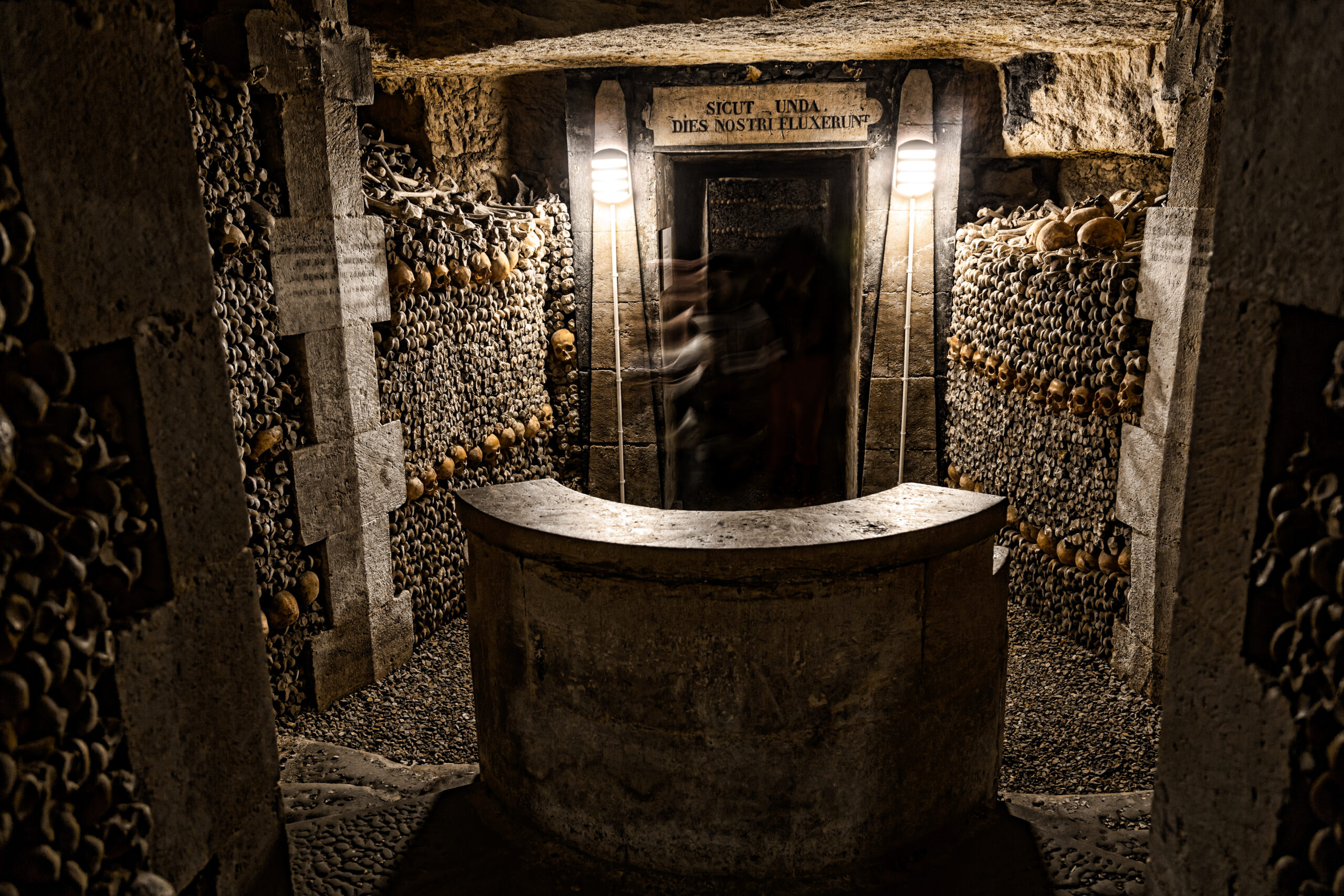
Throughout history, the places where the dead were laid to rest have often mirrored the living world above them. Sacred spaces once nestled in open fields, churchyards, and temple grounds later gave way to subterranean networks carved beneath booming cities. The story of how holy burial sites evolved into the catacombs beneath urban landscapes reveals a fascinating intersection of faith, necessity, and progress.
From Holy Burial Sites to Hidden Underground Realms
In ancient times, burial practices were deeply intertwined with spiritual beliefs. Communities built sanctified spaces near temples or within consecrated grounds to keep their dead close to divine protection. As early cities began to grow, so too did the need for organized burial places—areas where generations could be laid to rest without disturbing sacred traditions. These holy grounds served not just as final resting places but as sacred markers of cultural memory, where rituals and remembrance connected the living to their ancestors.
Over time, as populations expanded and urban areas became crowded, space for traditional burial grounds dwindled. Beneath these thriving cities, early engineers and religious authorities began to carve out extensive underground chambers to continue the practice of burial in sanctified soil. Thus were born the catacombs—silent corridors stretching beneath bustling streets. These labyrinthine spaces often doubled as places of worship and refuge, turning the underworld into a spiritual mirror of the city above.
How Urban Growth Transformed Resting Places Forever
With each wave of urbanization, the boundaries of the living world encroached further upon the land of the dead. As city walls expanded, cemeteries that once sat at the outskirts found themselves surrounded by houses, shops, and marketplaces. The need for public health reforms and city planning forced many ancient cemeteries to be shut down or relocated, their remains carefully—or sometimes hastily—transferred to new burial grounds beyond the growing city limits.
This transformation was not merely logistical but deeply cultural. Moving graves or shifting sacred spaces often stirred public emotion and resistance. Yet urban progress demanded adaptation. The result was the gradual creation of underground ossuaries, tunnels, and caverns—ingenious solutions that preserved tradition while accommodating the realities of modern urban life. In this transformation, the sacred met the practical, giving birth to one of history’s most striking urban phenomena: the catacombs.
The Shift from Open Graves to Subterranean Sanctuaries
As cities like Rome and Paris expanded, their leaders confronted a dilemma: how to honor the dead when the living needed space above ground. The solution was found below the surface. Ancient Romans, for example, expanded their burial traditions into vast underground chambers, ensuring the faithful could rest in consecrated soil even within city limits. These dark, quiet chambers became more than tombs—they evolved into places of worship and pilgrimage, where the living could still commune with the departed.
Elsewhere, similar transformations occurred due to health concerns. By the 18th and 19th centuries, many European cities banned burials within densely populated areas. Public fear over disease and overcrowding forced authorities to close inner-city graveyards and move remains into sealed underground catacombs or distant cemeteries. What began as a response to practical constraints ultimately reshaped the cultural landscape, turning the very bowels of the earth into sanctuaries of remembrance.
Notable Cemeteries Lost Beneath Expanding City Streets
Among the most renowned examples is the transformation of Paris’s Saints-Innocents Cemetery, once one of the city’s largest burial sites. By the late 1700s, it had become so overcrowded that the ground itself began to give way, prompting a massive relocation effort. The remains of millions were transferred into abandoned limestone quarries beneath the city—forming the now-famous Catacombs of Paris. This vast ossuary stretches for miles, a haunting reminder of the city’s layered history.
London, too, bears witness to this evolution. As its population exploded during the Victorian era, graveyards within the city center reached their limits. Iconic burial grounds like Bunhill Fields and St. Pancras were either reduced or relocated, and the city’s “Magnificent Seven” garden cemeteries were established on its outskirts to accommodate the dead. Meanwhile, beneath some modern districts, forgotten church crypts and burial vaults still lie undisturbed, hidden beneath the rhythm of contemporary life.
Legacy of the Dead Beneath the Modern Metropolis
Today, the idea of catacombs carries a sense of mystique—a blend of reverence and eerie intrigue. Beneath the world’s oldest cities lie silent testaments to humanity’s need to honor its dead even amid relentless change. They remind us that progress often builds upon the past, quite literally. The dead, once resting in sacred fields, now sleep in the shadowed corridors under train stations, streets, and high-rises, their presence shaping the heritage of modern urban spaces.
The legacy of these underground sanctuaries continues to influence both archaeology and urban planning. They serve as invaluable records of social history, art, and faith. More than mere burial chambers, they represent the continuity of human respect for memory—proof that even as cities move ever upward, their foundations remain built upon the countless generations who came before.
The catacombs and forgotten burial chambers beneath our cities stand as enduring symbols of the human story—a tale of reverence, adaptation, and coexistence. What began as sacred ground on the surface evolved, through necessity and imagination, into a secret world below. In these silent depths, history sleeps, whispering reminders that every metropolis owes part of its identity to those who came before, resting quietly beneath its feet.